
It’s a busy Father’s Day in the Kawarthas. Specifically in the Peterborough outskirts of Lakefield, a five-minute drive from the prestigious Lakefield College boarding school which once schooled the likes of King Ferdinand IV of Spain, actor Josh Hartnett, and even infamous former British prince which I will not mention.
I’m sitting down with Head Chef and Founder of Cheeky Duck Vineyards, Michelin-trained Welsh Chef Josh Keepfer, who through fate and happenstance, has found himself transplanting his roots in Southern Ontario.
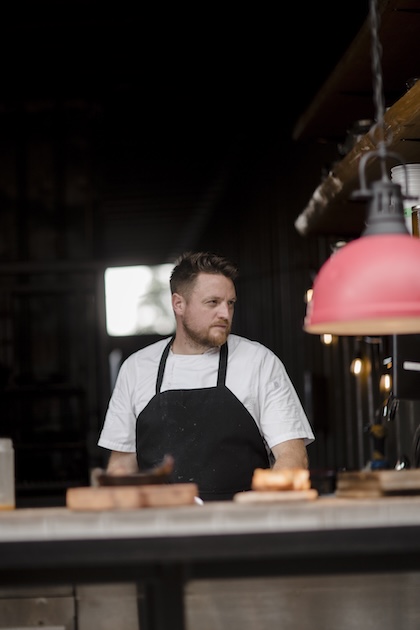
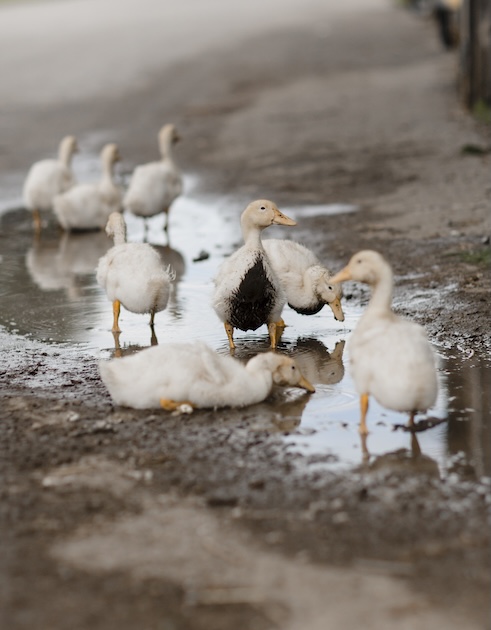
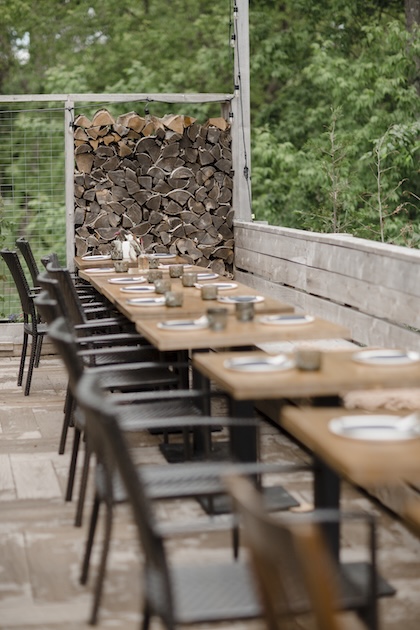
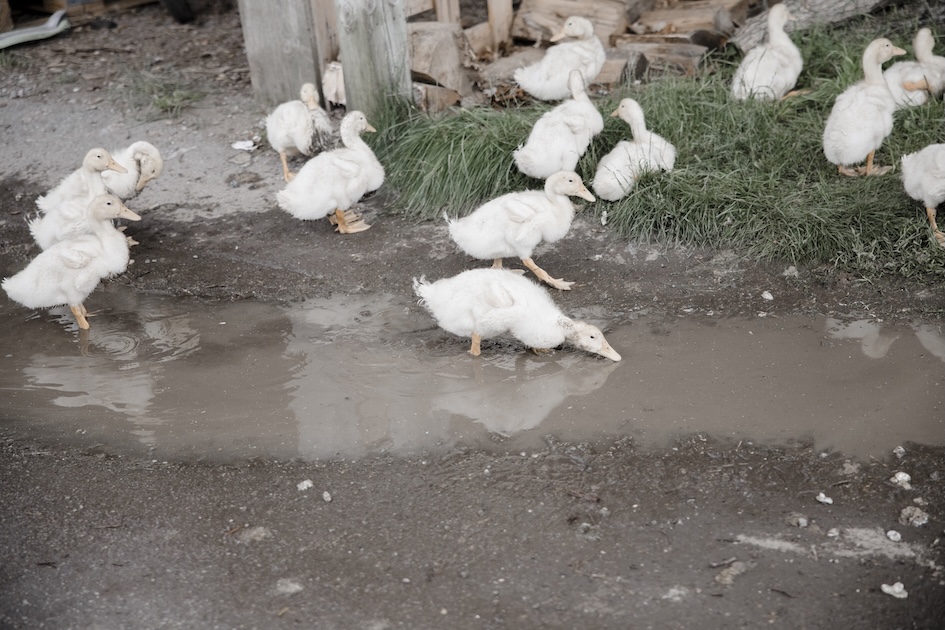
The Cheeky Duck Vineyard is a classic farm-to-table restaurant with a wood-fire smoke and Mediterranean penchant, complete with a converted barn restaurant and sprawling patio, actual functioning barns, a vineyard (of course), a pig yard, and fluffy free-roaming yellow ducklings that can’t resist a good mud puddle.
Chef started his culinary journey at the young age of 15, and early on lucked out with a gig at BAFTA-award winning Hugh Fearnley-Whittingstall’s River Cottage company (Britain’s Channel 4 chef whose show and books you may have come across). The stage helped establish Keepfer’s farm-to-table ethos, and landed him in kitchens around Europe and North America, including the legendary Michelin-starred Zaranda in Palma de Majorca and Whistler’s Bearfoot Bistro, ranked one of Canada’s 100 Best in 2023, where he met his now-wife Chas.
The couple moved to Chas’s home in Lakefield and started experimenting with a catering business selling at local farmer’s markets. “It’s kind of hilarious. The people at the market want their peameal sandwich in the morning. I brought this big smoker, doing potato tortillas, brunch food, home cooked bacon using my chef approach and ‘everyone was like, what is this? This is crazy food. We just want peameal sandwiches.’ So eventually we did one on a homemade bun and everyone was like, ‘yeah, this is a good peameal sandwich!’ But it got them onto the other foods we do.”
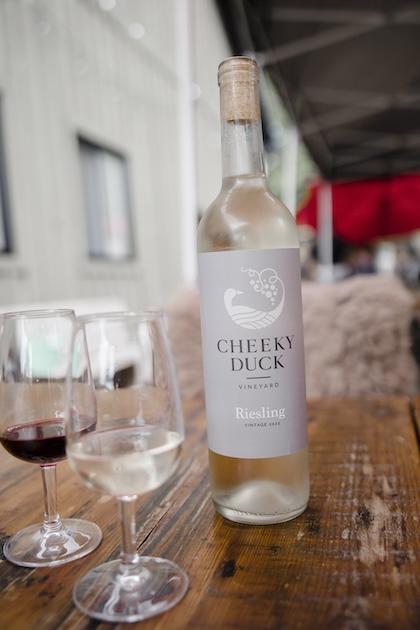
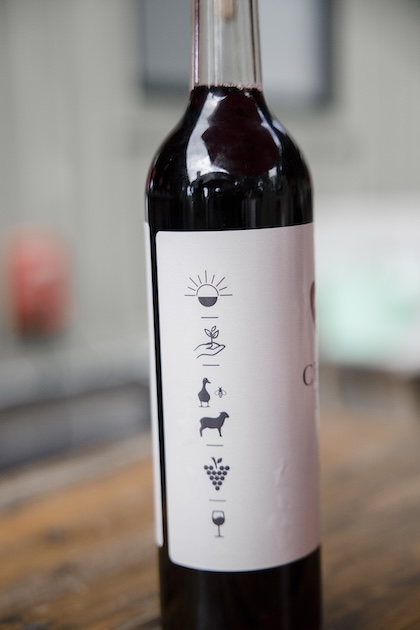
Which eventually led to building a vineyard on their property during COVID and starting the restaurant using experimental biodynamic and pesticide free methods. After three years, the vineyard grows hardy hybrid grapes like Baco Noir, Marquette, Vidal, Pinot, Frontenac Blanc which they use to create a wholesome red and white blend. “Everything grows together and we pick out the whites and reds.” Cheeky Duck currently has a Riesling and a Merlot available and also come as fresh sangria cocktails.
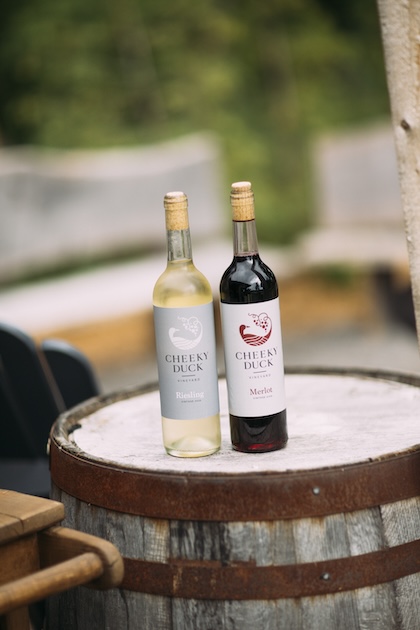
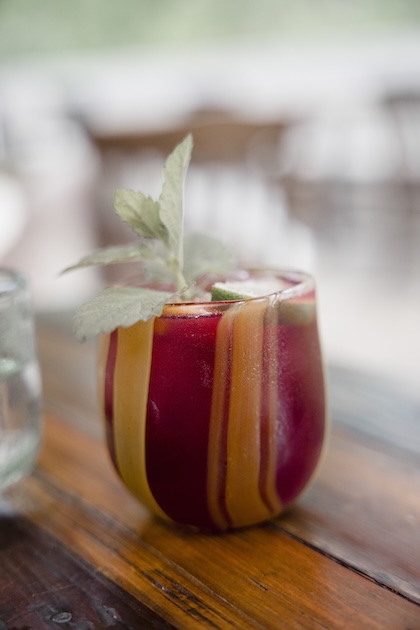
There’s no Michelin-recognition for Cheeky Duck yet but their take on biodynamic pesticide-free farming should put them in the running for a green star.
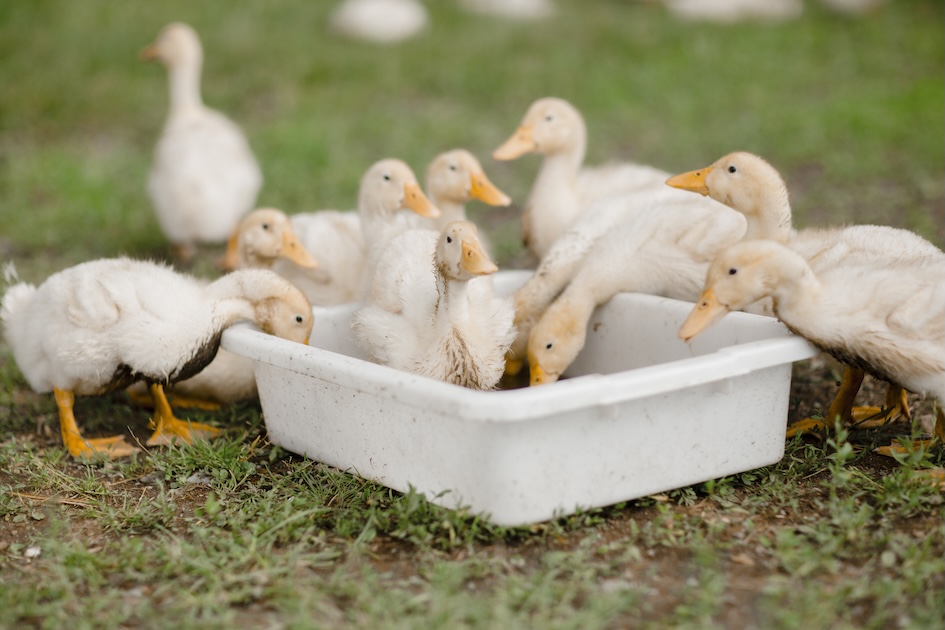
“We grow the grass long to promote regeneration to put nitrogen back into the soil,” said Josh. “We have a non-invasive vineyard; we don’t spray anything non-organic. We throw the Pekin ducks in that eat all the bugs. We use geotextile, mulching and other unusual techniques to keep the weeds down. We use biochar in the soil to help captivate some moisture so we don’t rely on too much irrigation. And all of the food waste goes into a bucket to be fed to the pigs, which like all the livestock here… eventually end up on the menu.”
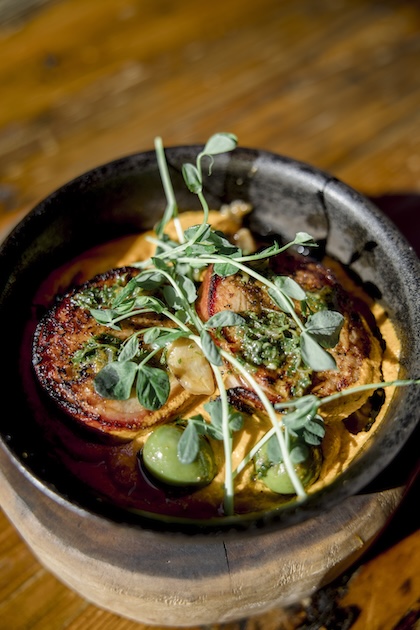
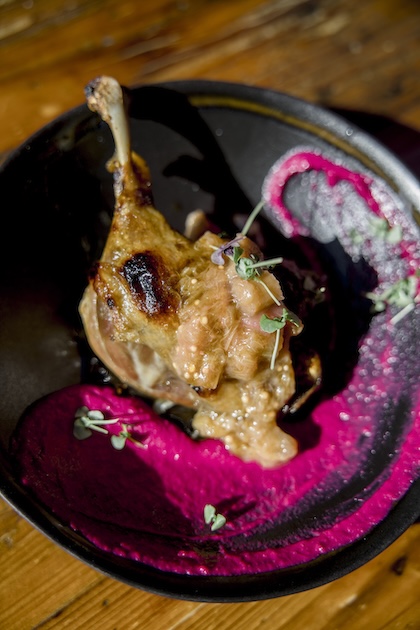
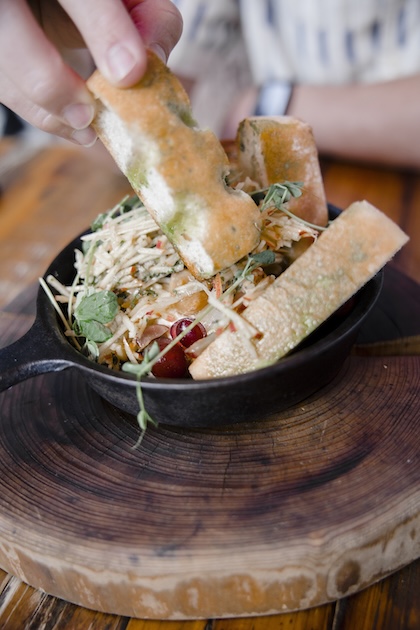
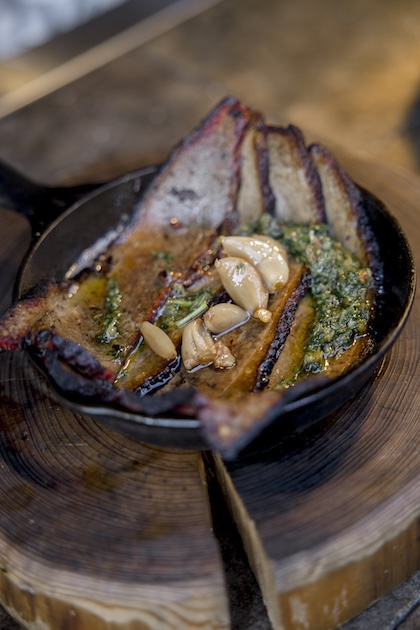
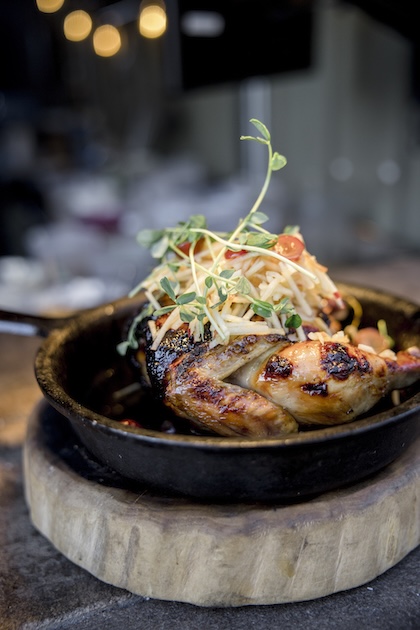
The seasonal menu either comes from the farm or follows a 50-km radius rule (with exceptions for flour) and relies entirely on specialty oak. Everything ends up with a bit of smoke, from the rabbit porchetta to the coal-roasted confit duck leg and charred cauliflower get the process.
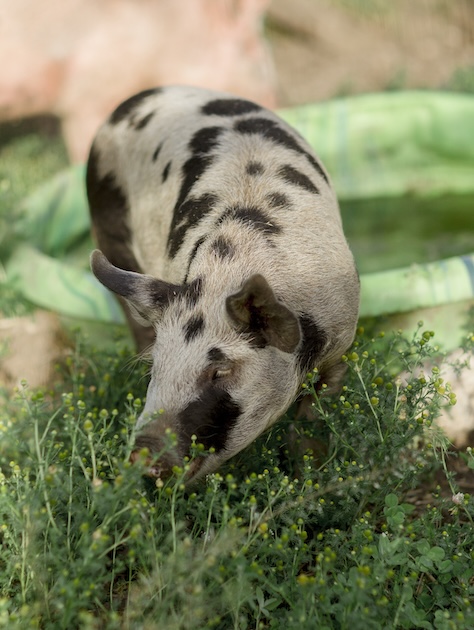
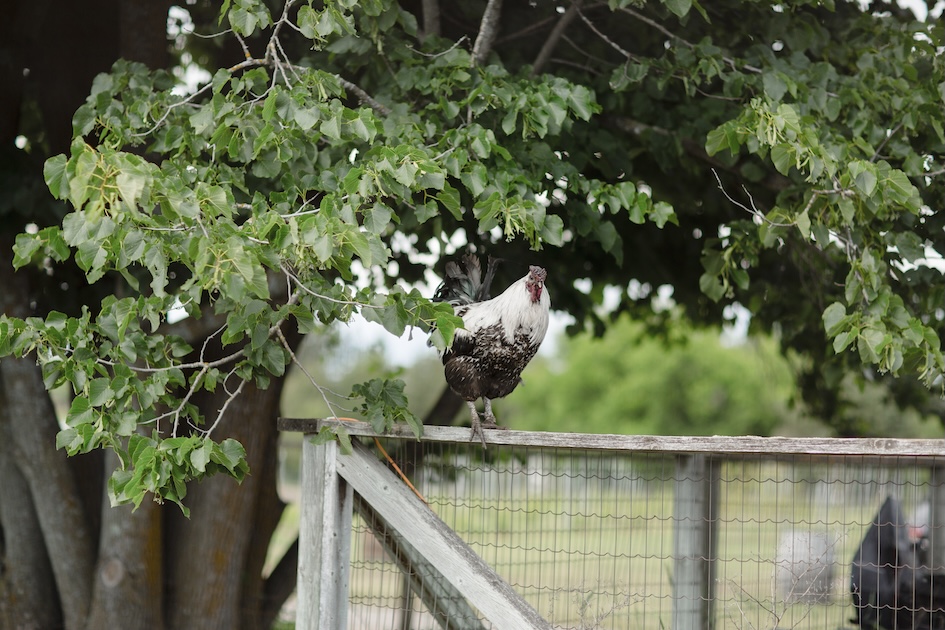
Lakefield isn’t exactly in Toronto’s back yard but a trip to the Cheeky Duck will make lasting memories.
Read on for the complete interview with Chef Josh below!
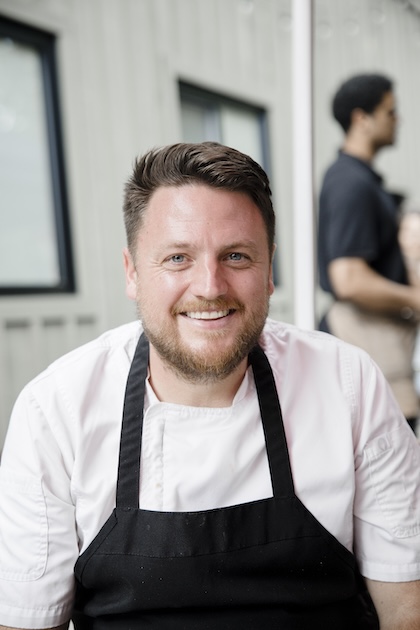
Happy Father’s Day! How’s the day going?
We have like 170 covers this morning and another 100 guests for dinner.
That’s busy! Thanks so much for taking the time to chat. How did you end up getting into cooking?
It stems from childhood vacations in Normandy, Burgundy, southern France. I grew up on seafood. I was lucky enough to go into a great kitchen run by another Welsh chef when I was 15, washing dishes, grabbing vegetables.
I came to a point where I knew I needed to be dedicated to my passion and cooking was that for me. The next step was education and trying to get into some great restaurants along the way.
I worked at Hugh Fearnley-Whittingstall’s River Cottage company in the UK. His whole philosophy was farm-to-table. He had pigs in the pasture, mushrooms in the forest, beehives and all that. Being around likeminded people who truly loved to grab a pig and butcher it whole was super rewarding.
That was my first step into true farm-to-table. It’s always been my own passion to try it. I did stages all over Canada, Europe, working in restaurants in Spain, a stage in UK at a Michelin restaurants, working at great restaurants.
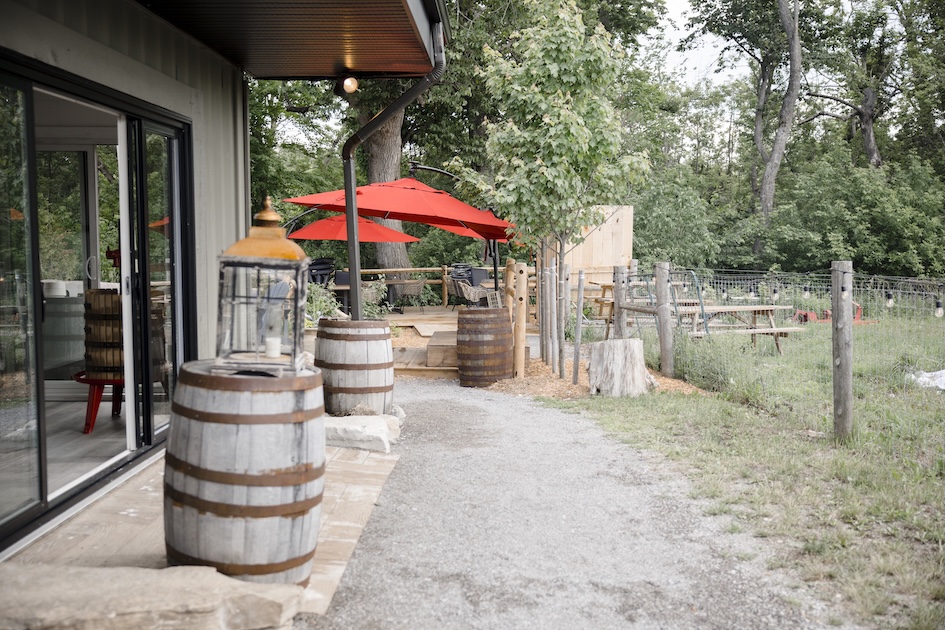
I worked with Fernando at Zaranda in Palma Majorca, he’s a phenomenal chef I was lucky enough to do a season with. It was unbelievable. In an old tannery and the whole concept of the food was playing on colours and hide (ed note: that’s leather for North Americans). He’s a very scientific chef who taught me the fine elements in cooking which is very different to my style. My style is more about foraging and the rustic farm-to-table approach. Refining my knowledge helped me utilize practices I normally wouldn’t. Even fun things like using pectin enzymes to break down lemon rinds and make sauces.
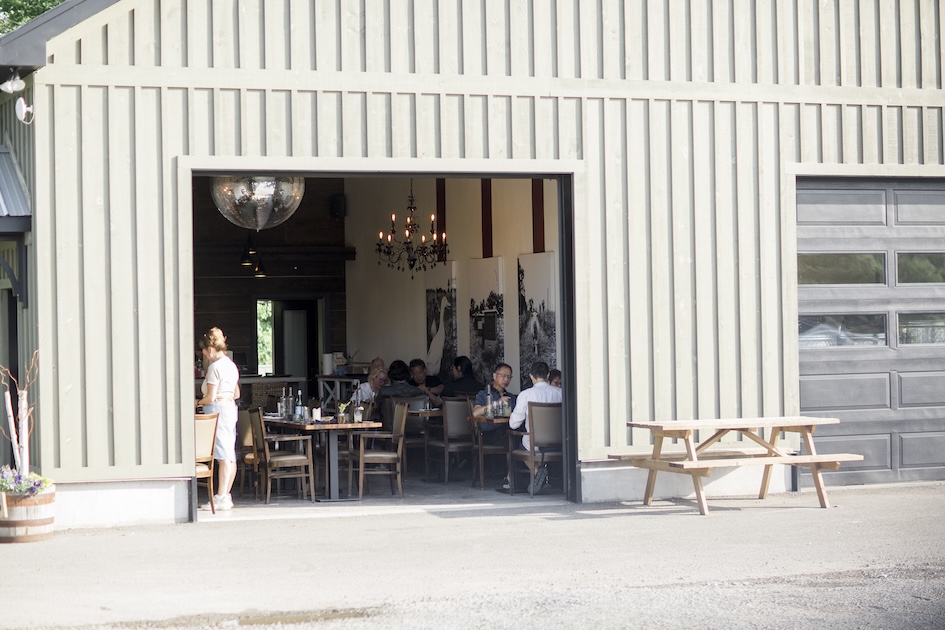
I’m still fairly young. I worked for a few years in Whistler at Bearfoot Bistro with Melissa Craig who was Canada’s young chef of the year. Being a ski bum, everyone dreams to be, but then you wake up and realize you need to have a family and a life. I met my wife Chas in Whistler and we moved here to Lakefield where she’s from.
We were able to test the market the market here and see if little old Lakefield was up for something different so we started at farmer’s markets with our catering company, Kitchen Pharmacy (we still run that and do 50 + weddings a year) but that was a great way to test the market for Cheeky Duck.
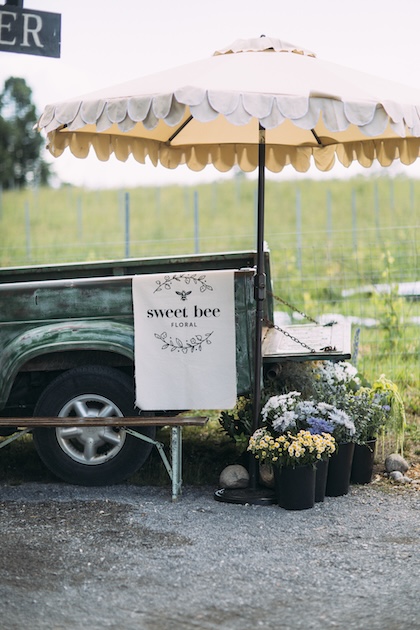
It’s kind of hilarious because the people at the market want their peameal sandwich in the morning. I brought this big smoker, doing potato tortillas, brunch food, home cooked bacon, using my chef approach and “everyone was like, what is this? This is crazy food. We just want peameal sandwiches.” So eventually we did one on a homemade bun and everyone was like, “yeah, this is a good peameal sandwich!” But it got them onto the other foods we do.
What were the origins of the vineyard?
We went a bit crazy during COVID and set up the vineyard on our property with a bunch of varieties. Baco noir, Marquette, le croissant, Vidal, pinot, Frontenac blanc. So, it’s kind of a wholesome blend. Everything grows together and we pick out the whites and reds.
We have 20 beehives in the vineyard. The honey goes into the dishes and dressings.
We grow the grass long to promote regeneration to put nitrogen back into the soil. We have a non-invasive vineyard; we don’t spray anything non-organic. We throw the runner ducks in that eat all the bugs. We use geotextile, mulching and other unusual techniques to keep the weeds down. We use biochar in the soil to help captivate some moisture so we don’t rely on too much irrigation.
We’re one of the only vineyards that’s food first, wine second. The goal is, once we start processing the wines how we want to, then we’ll really start to push them. They’re still young. we’re using weird and creative techniques that nobody in using, at least not in this area.
How did that lead to the restaurant?
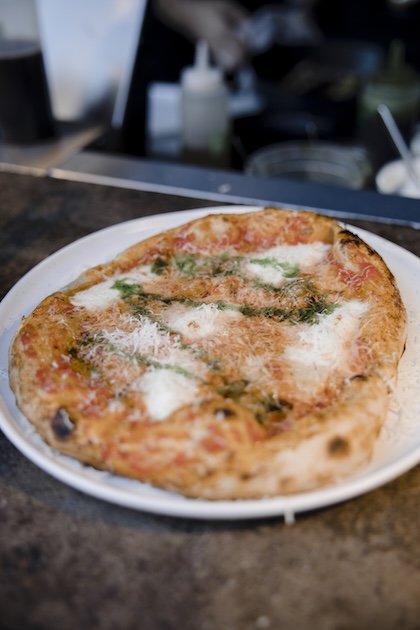
It was always a natural fit. It was always the plan to have a vineyard and food adaptation to that. The menu is very Mediterranean, a bit Moroccan, with a splash of French and Italian. We’re in a pretty affluent cottage country area, Stony Lake, Buckhorn Lake. A lot of the clientele have been to good restaurants. They understand what quality is so we have to uphold that expectation and provide an interesting and unique experience.
Coming from Europe to little old Lakefield, I was like, “What is this place? It goes to -30 here in the winter!” but I’ve adjusted after nine years.
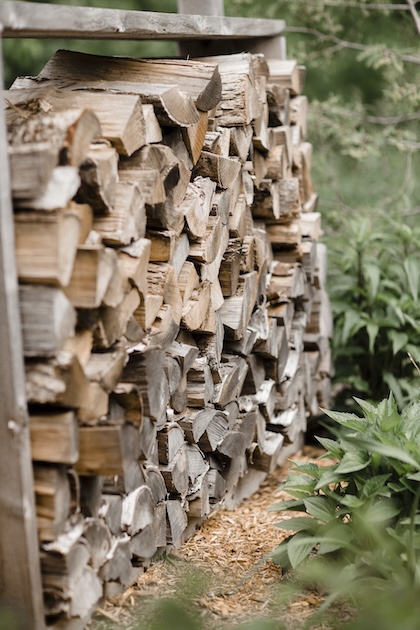
Literally everything is cooked on a specialty oak here. We have wood ovens and a big smoker to finish product on, everything from mains to sauces. We’re not trying to Texas smoke everything but we do want to be innovative where we can. The wood offers a kiss of high heat fire.
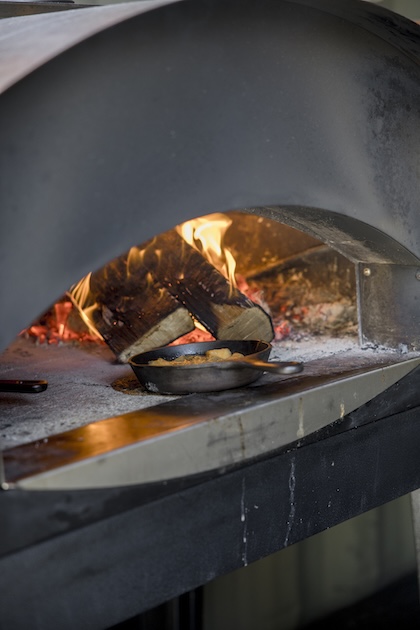
20 beehives, apple orchard, huge herb gardens for chefs, everything on site gets processed. The reason we have pigs is for our no waste policy. All the food waste goes into a bucket and then to the pigs… and then the pigs end up on the menu.
We always say, we add the pig based on business. If there’s waste then we add a pig. We were using Runner ducks originally because they’re the best for pest control but then we had to winterize so we switched to white Pekin ducks so we can process them at the end of the season… and put them on the menu. Pretty much everything that’s alive here is no longer by the end of the season. It’s all part of it. They have a beautiful life here; they have a beautiful stream that urns thru here.
We used to have these little sheep and we thought they might not be able to eat the vines but sure enough they were destroying them, gobbling them up. We decided to put up electric fences on every row and rotate them but it was a nightmare so we got rid of the lambs and now we just have ducks, pigs and a couple of chickens.
What is your take on the Peterborough culinary scene?
Its progressive. I think the industry’s had a hard time though. They seem to kick out restaurants quite a bit here. It’s not a sustainable industry but at one point there were the most restaurants here per capita in all of Canada People want to see more adventurous culinary spots.
Love You, Mean It, does a good job, One Fine Foods is a good one for Italian. Rare does a good job. St. Veronus is classic for steak and mussels. Bar Vita does a good job too.
Have you thought of inviting Michelin to Peterborough?
We’ll eventually start pushing for Michelin. Not for a star, we’re not that type of place but definitely to be recognized for the quality and what we do here, right? Being in the guide alone would be a recognition of quality. A green star would be great. Every year we add something. Like next year we’re adding a fruit forest.
Do you work with local foragers or providers?
Our vegetables come from a local organic veg supplier who is amazing. Apart from some of our flours, most things come from a 50 km radius. That’s always been our goal. What’s not on our property comes from a local supplier.
What are some of your chefs’ recommendations?
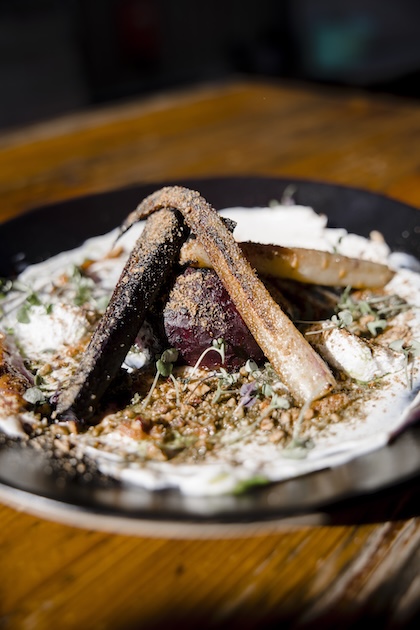
The lamb’s great. Coal fired beets are a great side, rabbit is very lean and is fantastic, people love our Cornish hen. We’re known for our brisket. Lake Eerie pickerel is great. The way to try the honey would be the brie to share.
Leave a Reply